Recurrence
Understand how records repeat across different calendar intervals.
Explore recurring transaction patterns, calendar intervals, scheduled records, and time-based reporting through independent educational examples.
Planned and recorded entries shown across a 30-day calendar.
Housing · planned day 4
Housing · recorded day 6
Utility · planned day 12
Service subscription · planned day 20
All records and circumstances shown are fictional.
Recurring records become easier to interpret when you separate their frequency, dates, classification, and reporting context. These four perspectives help keep scheduled entries distinct from recorded activity.
Understand how records repeat across different calendar intervals.
Explore differences between expected dates and recorded dates.
Review how recurring entries are grouped and described.
Examine how reporting boundaries affect monthly summaries.
Recurring records can be grouped by how often an entry is expected to repeat. The examples below are fictional and for educational purposes only; they describe record patterns, not confirmed transactions.
| Record Type | Example | Frequency |
|---|---|---|
| Fixed Monthly Record | Housing expense | Monthly |
| Variable Monthly Record | Utility expense | Monthly |
| Quarterly Record | Service subscription | Quarterly |
| Annual Record | Annual membership | Yearly |
| Irregular Record | Household maintenance | Variable |
Swipe to see all columns
All labels and circumstances in this table are fictional educational examples. No amounts are shown.
Build a clearer way to read repeated records across dates and reporting periods. Work through fictional examples to separate schedules, recorded activity and classification choices.
Identify entries arranged around a repeated interval, such as a monthly housing record, without treating the pattern as proof that a payment occurred.
Compare an expected date with the date an entry is recorded, and read a timing difference without assuming it is an error.
Distinguish an internal transfer between accounts from outside income or spending, helping prevent paired movements from being counted twice.
Check which recorded dates fall inside a month, quarter or other reporting window, especially when entries sit near a period boundary.
A small set of unclear recurring records can take time to review. Explore how different fictional cases add up across a month using the controls.
A planned date and a recorded date do not match, so each entry needs comparison.
6 mismatched-date occurrences × 5 minutes each
These times are invented illustrations for learning. They are not measurements, estimates of actual effort, or promised savings.
Reading methods
The same entries can tell different stories depending on how dates, recurrence and reporting windows are organized. Compare a structured educational view with an illustrative undifferentiated list to see what each makes easier to inspect.
| Reading dimension | CycleLedger Almanac approach | Illustrative undifferentiated list |
|---|---|---|
| Recurrence intervals | Entries are read alongside their stated interval, such as monthly or quarterly, so repeated patterns can be distinguished from individual records. | Entries appear together without an interval emphasized, so readers may need to infer which records belong to a recurring pattern. |
| Planned and recorded dates | Expected dates and recorded dates are treated as separate details. A timing difference is visible without assuming that a payment occurred or that an error happened. | A single date may appear beside an entry, leaving its role less clear unless the reader checks whether it is planned or recorded. |
| Classification | Categories and record types are considered explicitly, helping readers distinguish recurring expenses, income and internal transfers in fictional examples. | Entries share one sequence, so different kinds of activity can be harder to distinguish without reviewing their labels and context. |
| Reporting boundaries | Calendar periods and date boundaries are stated so readers can see why a record falls inside or outside a particular summary. | A sequence may not make the reporting window clear, so the date basis behind a period total can take additional checking. |
These are educational reading approaches, not evaluations of a particular product or recordkeeping system. All sample situations on CycleLedger Almanac are fictional.
Learning pathways
Build a clearer view of recurring records by following the topic that fits your question. Each section explains a different part of organizing records across time.
Learn how repeated entries, reusable templates, and individual recorded transactions differ, and how to read recurrence without mistaking a schedule for a completed transaction.
Explore recurring recordsSee how monthly, quarterly, and other calendar periods shape which dated records appear in a summary, especially around period boundaries.
Explore calendar structuresCompare expected dates with the dates entries are recorded. Understand matched, shifted, and unmatched records without assuming a timing difference proves an error.
Explore date comparisonsWork through broader explanations and practical exercises on reporting periods, record timelines, and reading time-based views.
Browse learning articlesLearn how recurring records and reusable templates organize repeated entries over time. Fictional examples clarify what a schedule represents—and what it does not confirm.
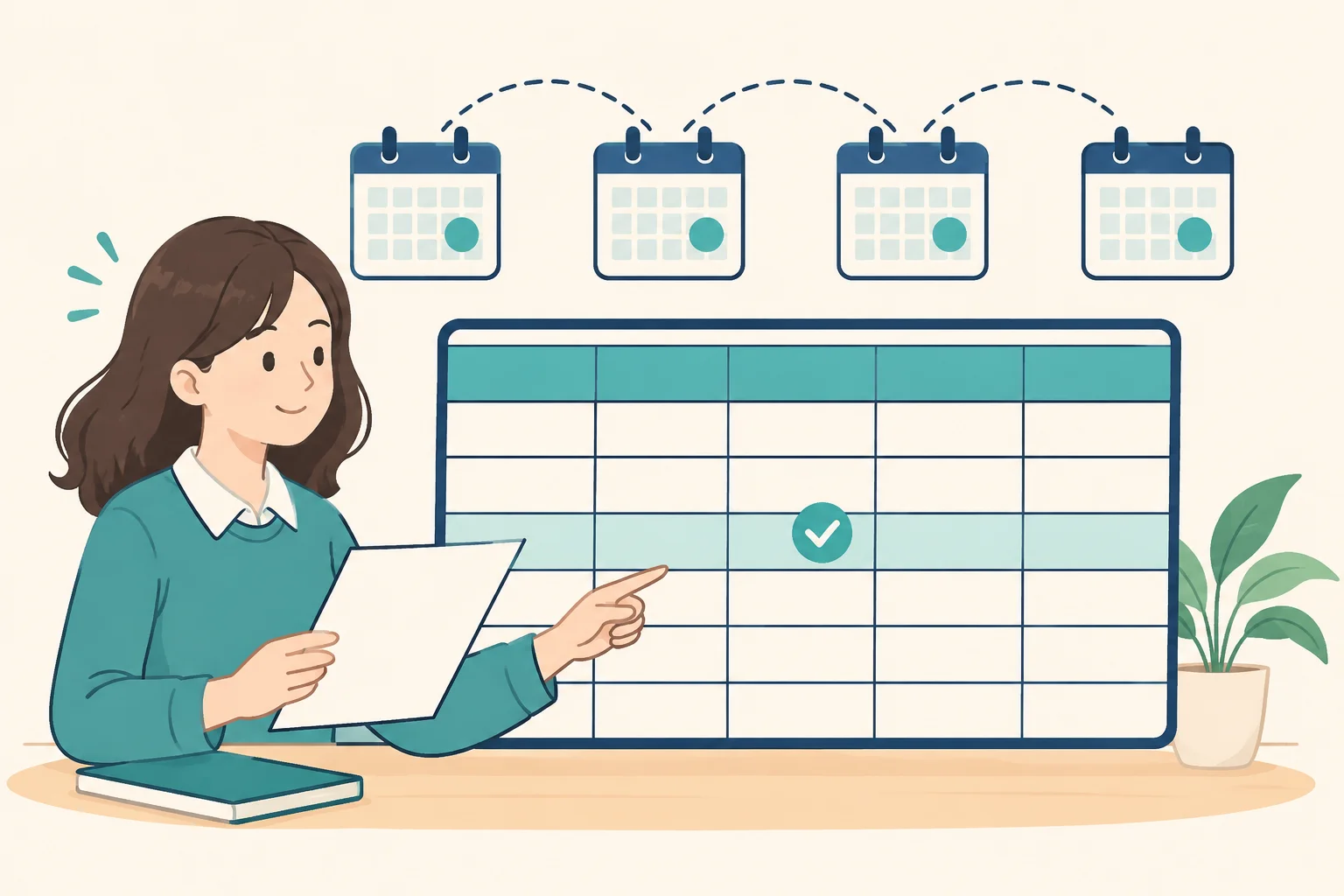
See how a fictional monthly housing expense repeats while its expected date, recorded date, and amount remain distinct. Learn to read the pattern without treating a schedule as proof of payment.
Read the guide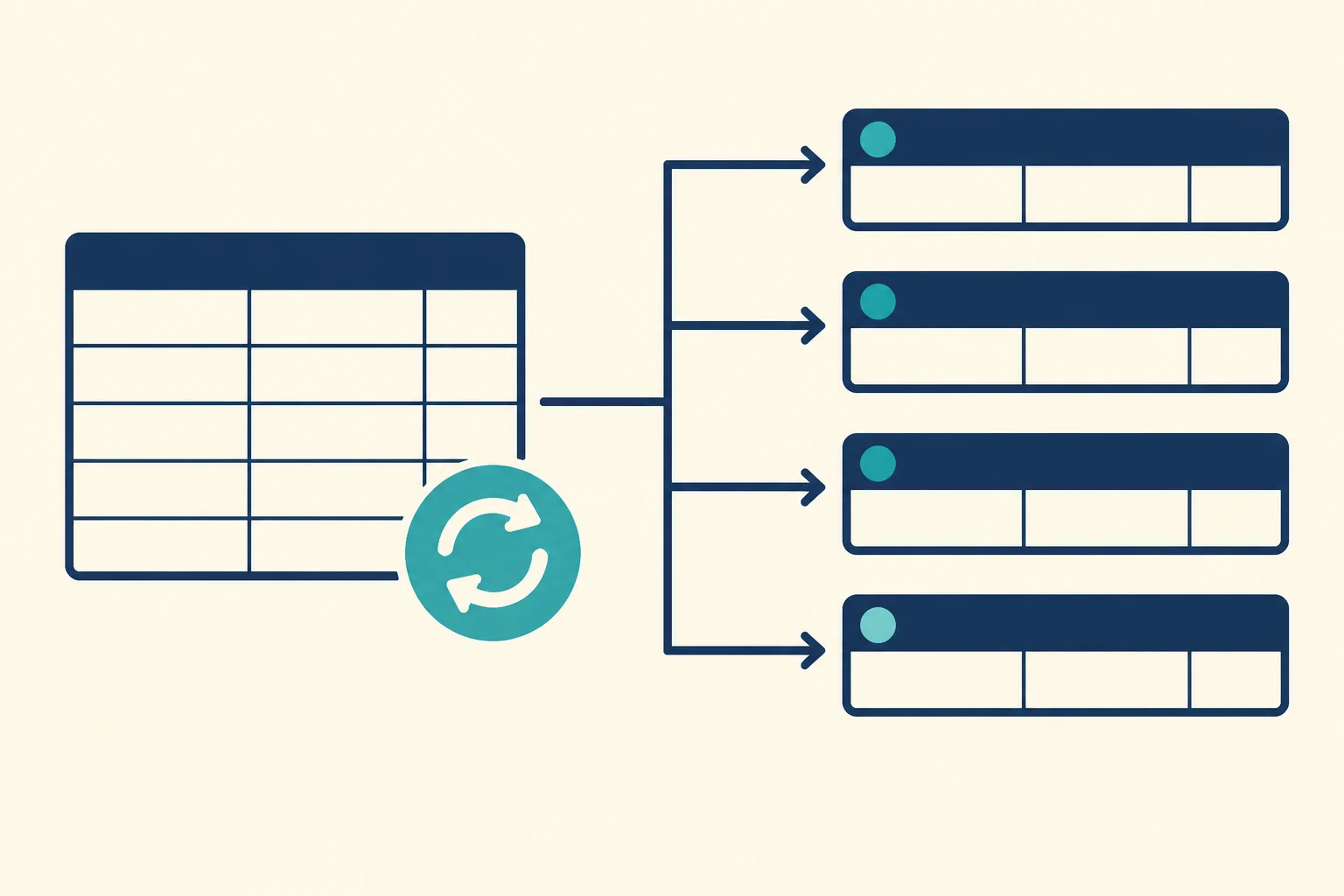
Follow a fictional utility expense to distinguish a reusable entry structure from the individual transaction recorded later. Explore how repeated details can stay consistent while dates and amounts vary.
Read the guideCalendar Structures
Explore how recurring records fit into monthly and quarterly periods. These guides clarify date boundaries and show how the date basis behind a total shapes what a summary includes.
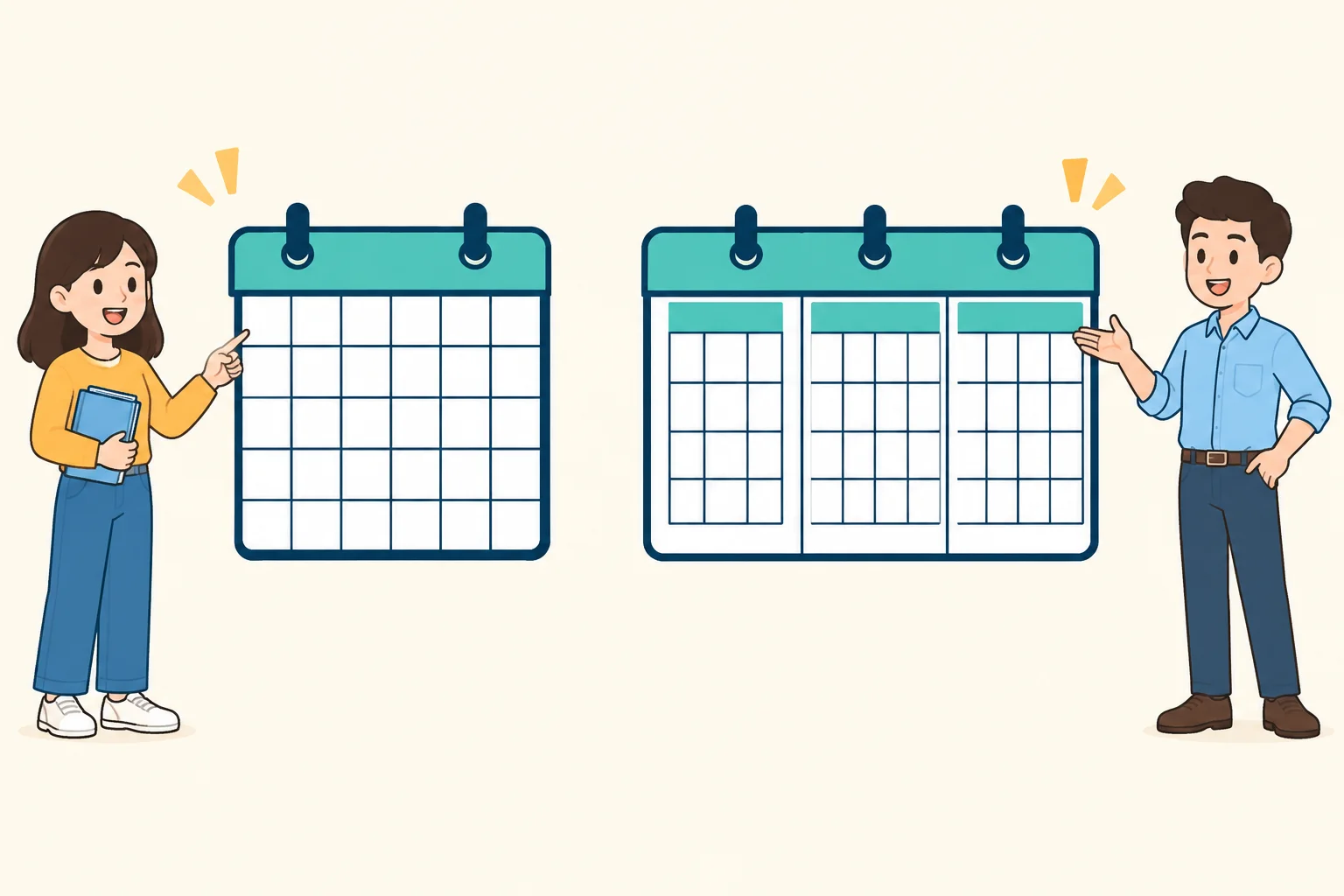
Compare which dates belong to monthly and quarterly intervals, and see why scheduled dates and recorded dates can place the same example in different views.
Read the guide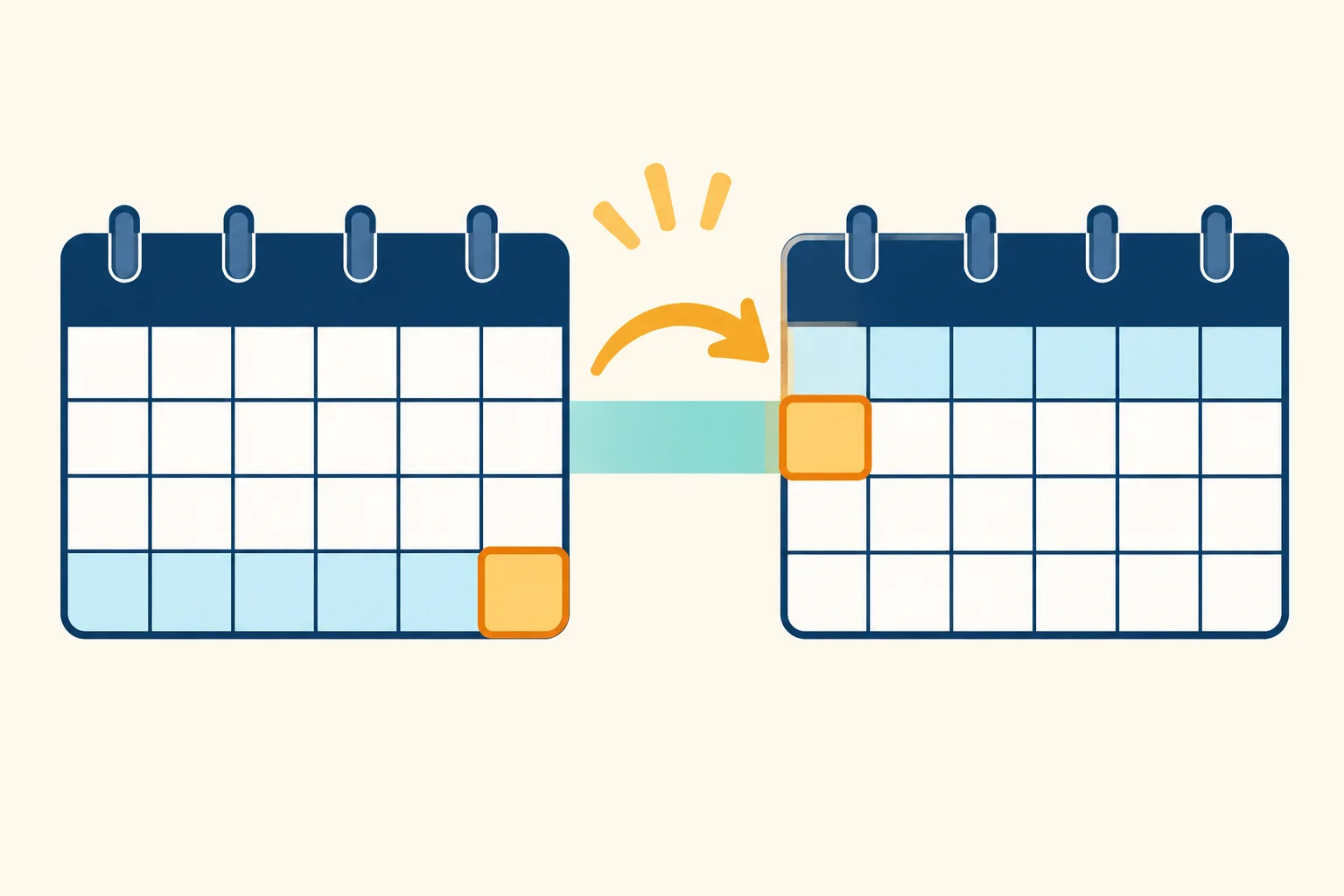
Follow fictional recurring entries as they move between periods. Learn how boundary dates are assigned and why planned dates should stay distinct from recorded dates when comparing totals.
Read the guideTiming Guides
Start with the general distinction between expected and recorded dates, then explore how desktop HomeBank represents scheduled transactions. The examples are fictional; a schedule describes a planned record, not a completed payment.
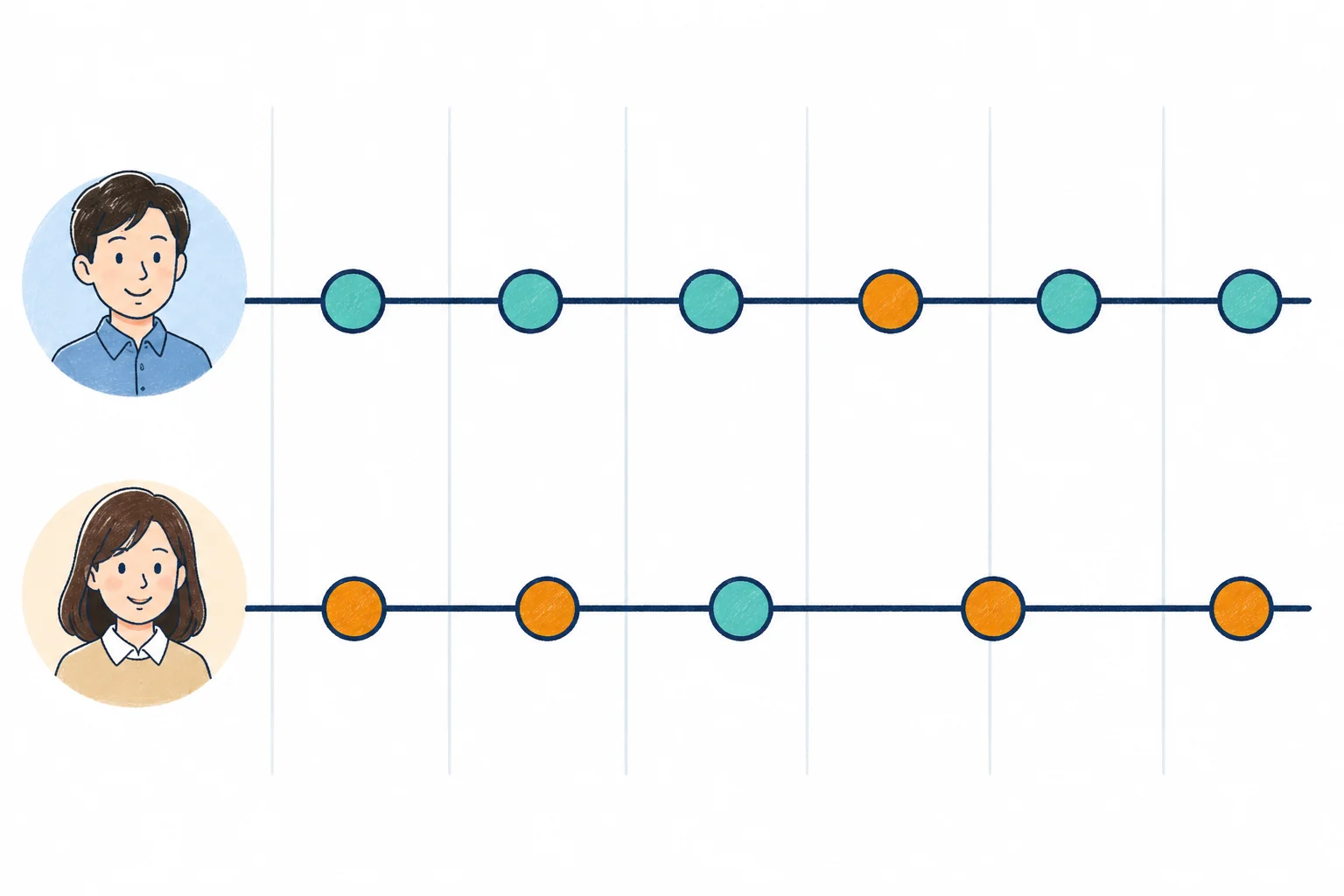
Learn how a planned date differs from the date a transaction is recorded. A fictional two-lane timeline and comparison table walk through matched and unmatched entries without treating a date shift as proof of an error.
Read guide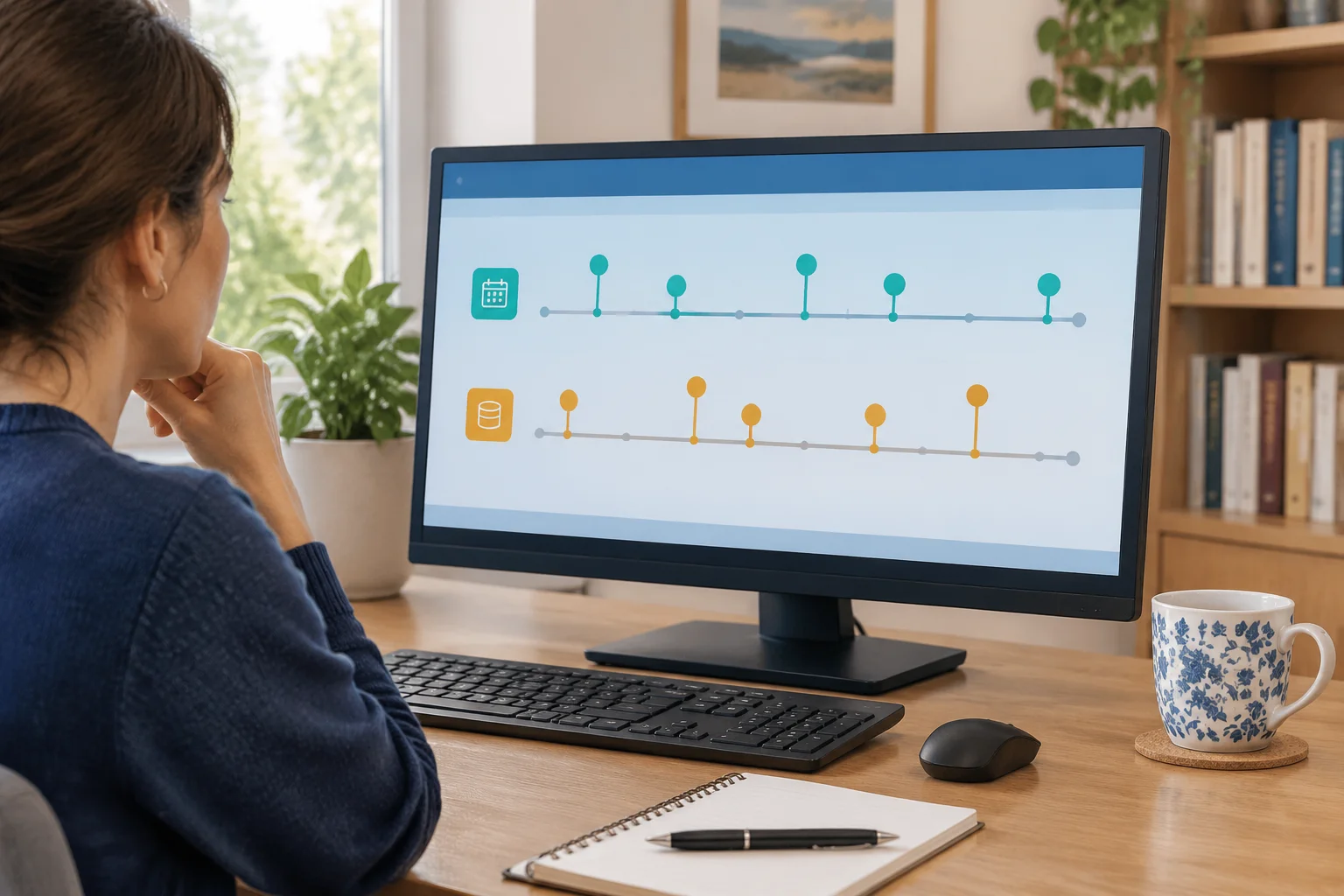
See how scheduled transactions in the free desktop program for Windows and GNU/Linux represent planned future records rather than payments being made. This software-specific guide also notes desktop version 5.10.4, released November 12, 2026, as a bug-fix update.
Read guideDeeper learning
Explore practical guides to reporting periods and record timelines. Fictional examples show how date boundaries shape a summary and how planned dates differ from recorded entries.
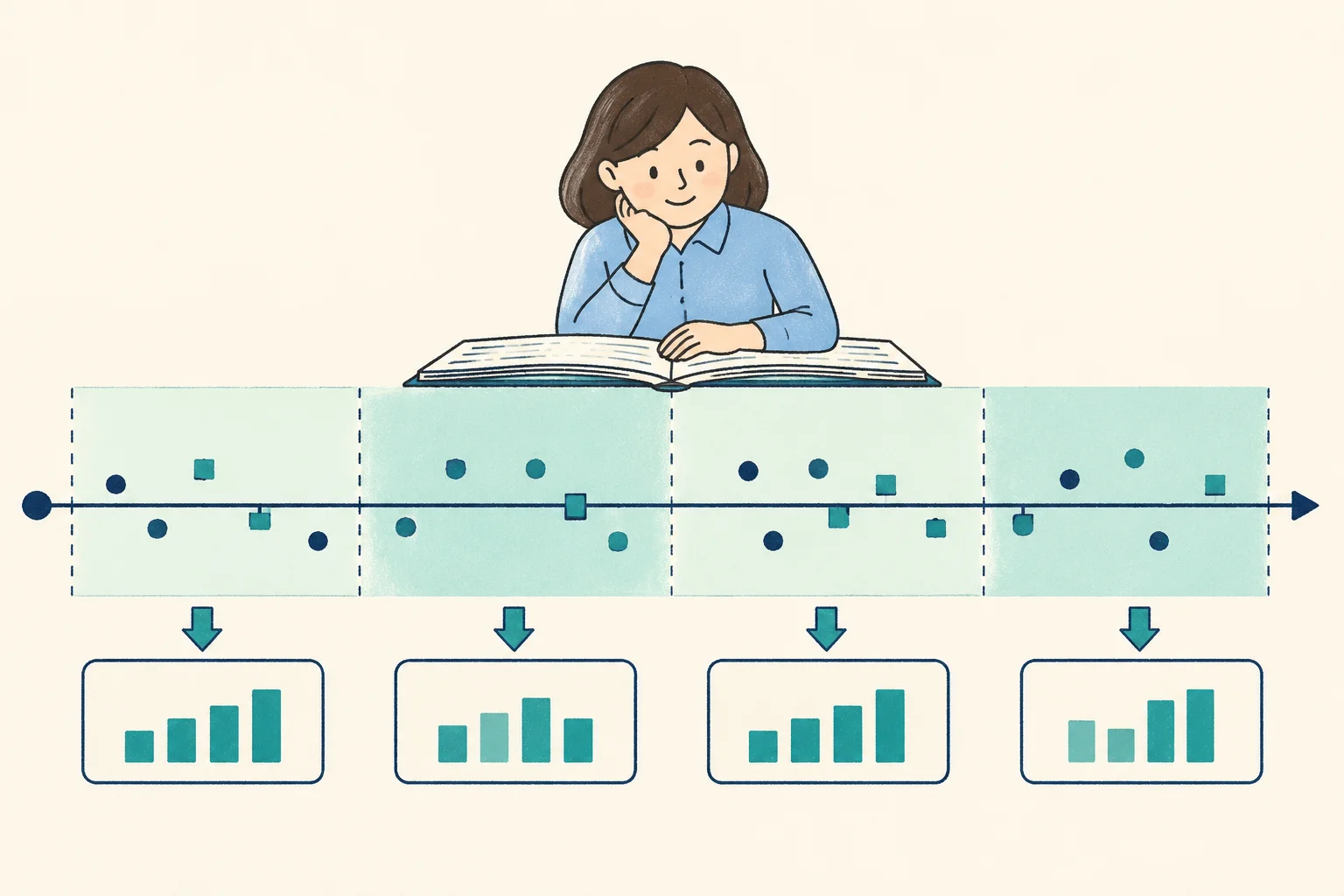
See how the same fictional transactions produce different summaries across calendar months and rolling date windows. The guide traces how period boundaries change what a report includes without implying that records were added or removed.
Read the guide
Work through three fictional exercises: a monthly entry, a delayed recording date, and a record near a quarter boundary. Each timeline helps separate the expected date, recorded date, and reporting window.
Read the workshopCycleLedger Almanac is an independent educational publication about recurring records, calendar intervals, planned entries, and reporting periods. Our examples are fictional, and this project is not affiliated with HomeBank.

Learn how we distinguish fictional examples from verified product facts, check sources, handle corrections, and cover version-sensitive topics independently.
Read the policy
Send an editorial question or correction through the contact form. Please leave out account credentials and private transaction records.
Contact usBuild a clearer view of recurring entries by exploring how intervals shape records and how fictional timelines separate planned dates from recorded ones.