
Repeating interval
A monthly interval describes how often the entry is expected to recur; it does not confirm any individual payment.
Learn how recurring transaction records organize repeated entries by interval, and why a scheduled amount or date does not prove that a payment occurred.

A recurring transaction record organizes an expected entry around a repeating interval, such as once each month. It can preserve details like a payee, category, amount, and planned date so the pattern is easier to review over time.
That reusable pattern is separate from a transaction recorded in the ledger. A housing expense expected on April 4 might be entered on April 6, entered for a different amount, or not recorded at all; the recurring schedule alone cannot tell you which occurred.
Read the interval, planned entry, actual ledger record, and amount as distinct details rather than treating them as one event.
A monthly interval describes how often the entry is expected to recur; it does not confirm any individual payment.
The planned date marks when the housing expense is due or anticipated, such as April 4 in the fictional example.
A ledger entry dated April 6 is evidence of a recorded movement on that date, not on the earlier expected date.
The actual amount belongs to the recorded transaction; a reusable expected amount may need checking against it.
Move from the fictional record to the explanation and its practical takeaway.
This fictional ledger separates each planned occurrence from what was actually recorded. The example uses a monthly housing expense; all records and circumstances below are fictional and provided for learning.
| Entry | Expected date | Recorded date | Recorded amount | Status |
|---|---|---|---|---|
| Housing expense | April 4 | April 6 | $1,200 | Recorded |
| Housing expense | May 4 | May 4 | $1,200 | Recorded |
| Housing expense | June 4 | Not recorded | Not recorded | Scheduled only |
| Housing expense | July 4 | July 5 | $1,225 | Recorded; amount differs |
Swipe to see all columns
The repeated label and monthly dates show the pattern. June remains scheduled only, while July has a recorded amount that differs from the earlier entries. A recurring record does not erase those differences.
Use the recurring pattern to locate expected entries, then verify each one against the ledger before drawing conclusions about activity or totals.
Confirm that the record repeats monthly. The interval describes the pattern, not a completed transaction.
Read the planned date for that occurrence, such as April 4, separately from any date entered in the ledger.
Look for an actual transaction and note its recorded date. In the April example, the record appears on April 6.
Use the recorded amount for the actual movement. The July example shows $1,225, distinct from the earlier $1,200 entries.
Classify June as scheduled only because the sample has no recorded transaction for that occurrence.
A recurring record points to an expected pattern; only a transaction entered in the ledger represents a recorded movement.
Small date and status differences can change what a monthly summary means. Check the underlying entries before treating the schedule as history.
A planned June occurrence is not a completed expense. Count it as activity only when the ledger contains a recorded transaction.
Keep April 4 as the expected date and April 6 as the recorded date. Combining them hides a two-day difference.
The July entry is $1,225, not $1,200. Review the recorded figure instead of copying an expected amount into a period total.
A reusable structure supplies recurring details for an expected entry; it is not itself an additional transaction in the ledger.
Use the recurring record to understand what was expected. Use each ledger entry to establish its recorded date, amount, and status, then interpret the reporting period from those actual entries.
Explore how calendar intervals and recorded dates shape the way recurring entries are read.
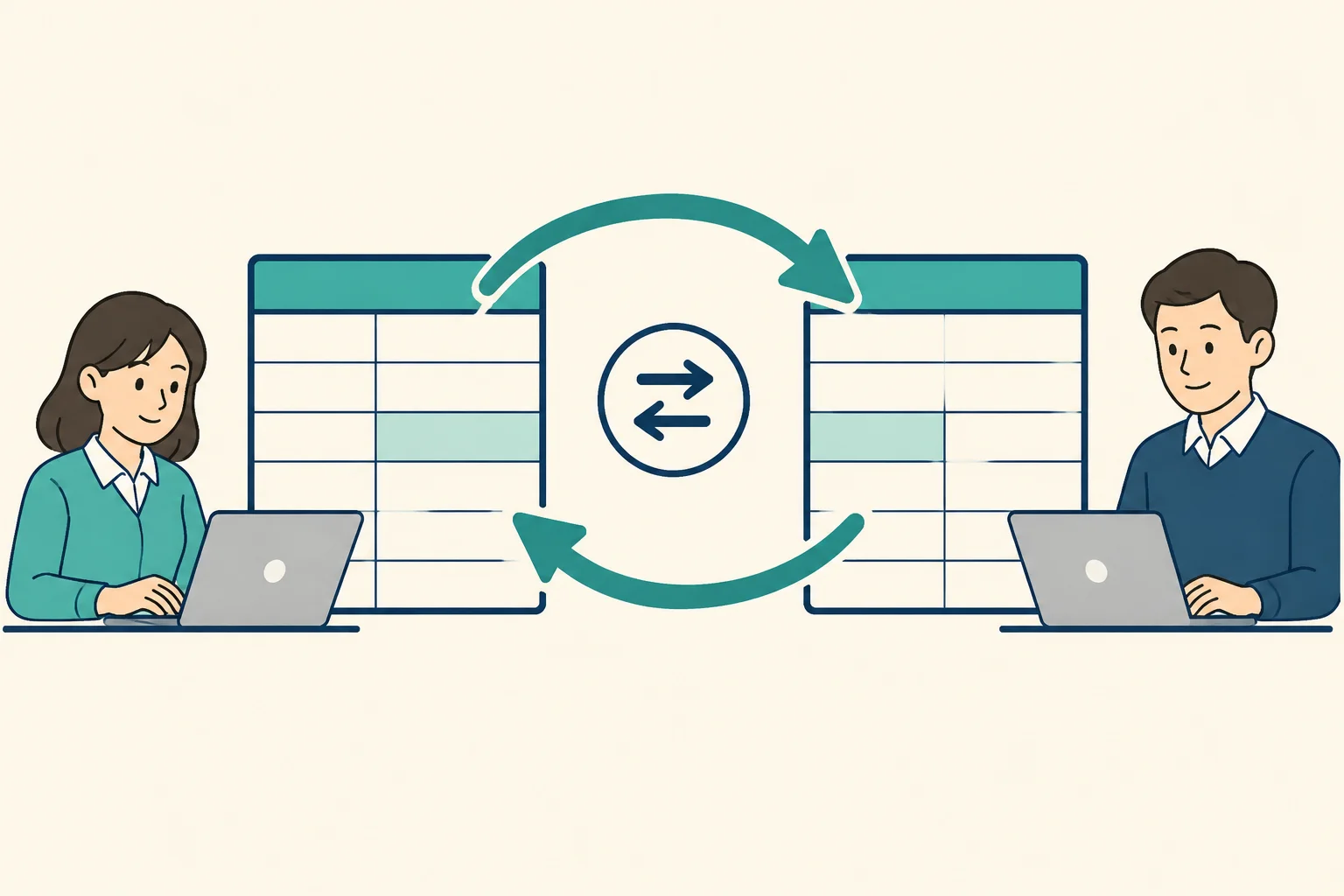
09/22/2026
See how a reusable transaction template stores recurring details, and learn why the template itself is distinct from each transaction entered in the ledger.
Read guide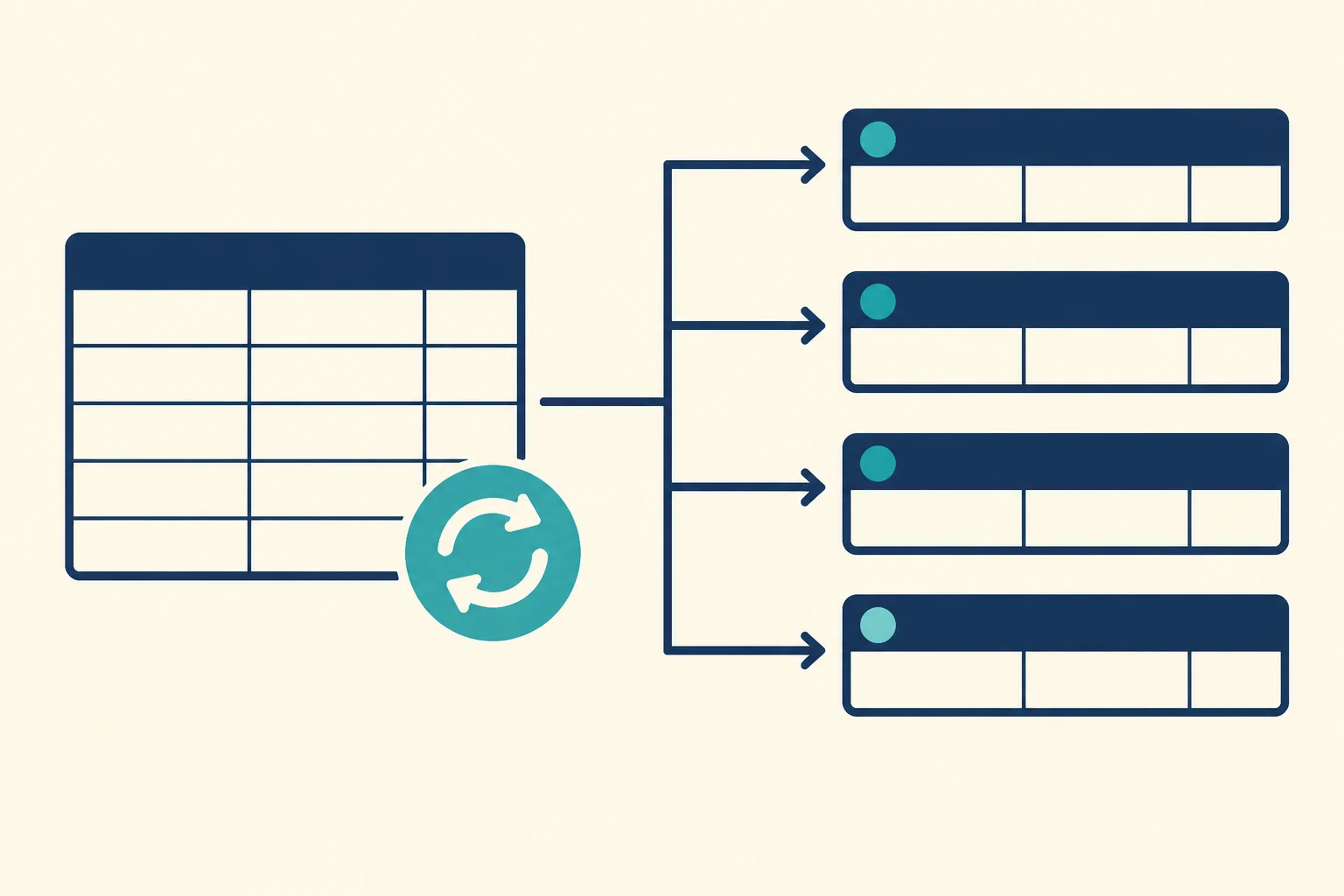
10/29/2026
Follow recurring entries across calendar boundaries and see how period changes affect the dates used to read a repeated record.
Read guide