
Paired account movement
A transfer out and its matching transfer in represent the same funds moving between two accounts.
Learn how paired account movements represent an internal transfer, how to classify them in periodic summaries, and why a scheduled transfer is not proof that it occurred.

An internal transfer moves money between accounts owned by the same person or household. In a ledger, it commonly appears as a withdrawal from the sending account and a matching deposit to the receiving account. Those entries describe one movement of funds, not new income followed by ordinary spending.
That distinction matters when reviewing a month or quarter: counting both sides as income and expense can inflate activity and distort totals. A reusable schedule or transaction template can make the transfer easier to enter, but only a completed, recorded pair belongs in the account history.
Check the accounts, dates, and status together before interpreting a periodic total.
A transfer out and its matching transfer in represent the same funds moving between two accounts.
A planned date identifies an expected transfer; it does not confirm that either account has a completed entry.
Review transfer classification before treating account movements as outside income or household spending.
Move from the fictional record to the explanation and its practical takeaway.
This example follows a planned $400 move from checking to savings. Every account, date, amount, and circumstance below is fictional and provided for learning. The transfer is recorded on April 6, two days after its expected date.
Use the linked entries and their status to decide what happened in the period. A reusable transaction structure can supply details for a future occurrence, while the ledger records the movement after it takes place.
Confirm that the sending and receiving accounts belong to the same owner. This separates an internal move from a payment to another person or business.
Compare the outgoing amount with the incoming amount. A matching pair supports one transfer; a difference may reflect fees, a partial entry, or an item that needs review.
Use the dates attached to completed entries when reviewing the period. A scheduled date alone does not establish that the transfer was made.
Keep transfers identifiable as movements between accounts rather than ordinary income or expenses, especially when reading category totals.
A transfer changes where money is held; its paired entries do not create new income or erase spending.
A periodic report can show several account entries for the same movement. Classification and status reveal whether those entries belong in income and expense totals.
Treating the outgoing entry as spending and the incoming entry as income can exaggerate both totals. Read them as a paired account-to-account movement.
A recurring schedule or template describes a reusable structure. Look for the actual recorded entries before including the transfer in a period review.
A missing or unequal counterpart can leave account balances inconsistent. Check dates, amounts, and account assignments before assuming the pair is complete.
For a reliable periodic summary, match the two account entries, confirm that they are recorded, and classify them as an internal transfer. Use the schedule to understand what was expected; use the ledger to establish what was completed.
Explore how calendar intervals and recorded dates shape the way recurring entries are read.

11/18/2026
See how recurring transaction records describe expected activity and how their dates and status differ from completed account movements.
Read guide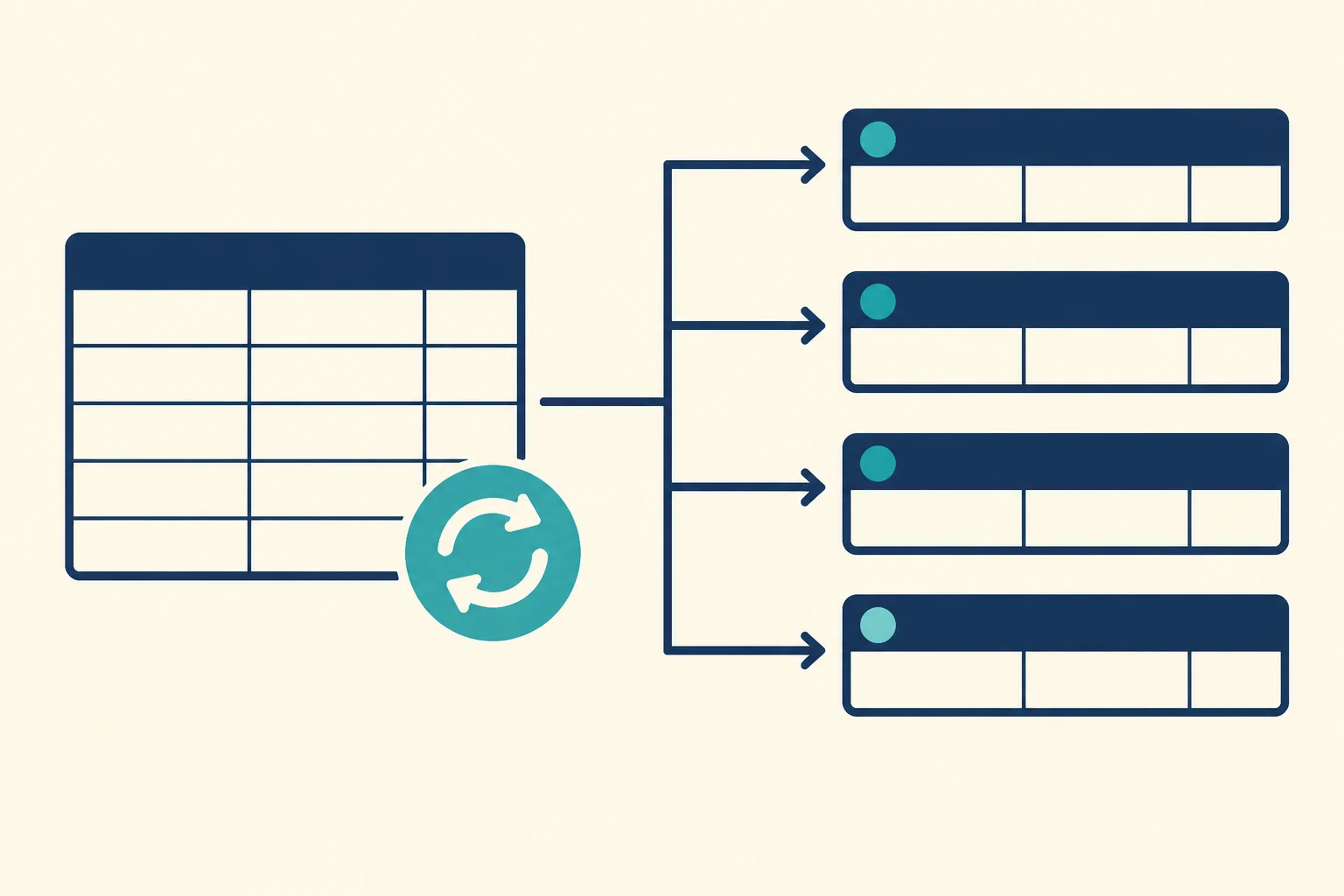
10/29/2026
Learn how reusable transaction templates hold details for future entries, and why a template alone does not confirm a completed transfer.
Read guide